We are closed and will be back open on the 5th October 2026


Phuket has become one of Southeast Asia’s top destinations for digital nomads and remote workers. With reliable internet, coworking spaces like Denz Coworking Café, beautiful beaches, and a thriving international community, it’s no surprise professionals from around the world have made this island their remote work base. As Thailand’s cannabis landscape has evolved, many remote workers have questions about whether medical cannabis might help with work-related challenges like focus, creativity, anxiety, or chronic pain.
Table of Contents
This guide examines the pros and cons of indica versus sativa strains for work-related purposes within Thailand’s legal medical cannabis framework, backed by research and tailored to Phuket’s professional environment.
CRITICAL UPDATE: Medical-Only Framework (2025-2026)
Before discussing any cannabis use, you need to understand Thailand’s current legal status. On June 25, 2025, Thailand implemented major changes that reversed its brief period of open cannabis access:
Current Legal Status:
Legal Requirements for Access: You must visit licensed clinics with proper Ministry of Public Health certification (look for a green leaf symbol with Thai script). Medical practitioners will evaluate specific conditions, including chronic pain, anxiety, insomnia, PTSD, and certain inflammatory conditions. Consultation fees typically range from 300 to 600 THB.
Penalties for Non-Compliance: Possession or use without proper medical documentation can result in fines up to 25,000 THB (~$700 USD) and imprisonment up to 3 months.
Licensed Dispensaries: Over 7,000 cannabis shops have closed since the June 2025 regulations. Only licensed dispensaries with proper documentation can legally operate.
Key Takeaway: Anyone considering medical cannabis in Thailand must first obtain proper medical evaluation and prescription from a licensed Thai healthcare provider. This article discusses use within that legal medical framework only.

Cannabis contains over 120 active compounds, though research has primarily focused on two: THC (the compound that produces the “high”) and CBD (the non-intoxicating compound with potential therapeutic benefits), according to the Centers for Disease Control and Prevention.
Cannabis Indica Characteristics:
Cannabis Sativa Characteristics:
Important Note: Modern research suggests that the indica/sativa classification is a helpful starting point, but effects depend more on the specific chemical makeup than the strain category alone. Today’s cannabis genetics have created extensive crossbreeding, making pure indica or sativa strains increasingly rare.
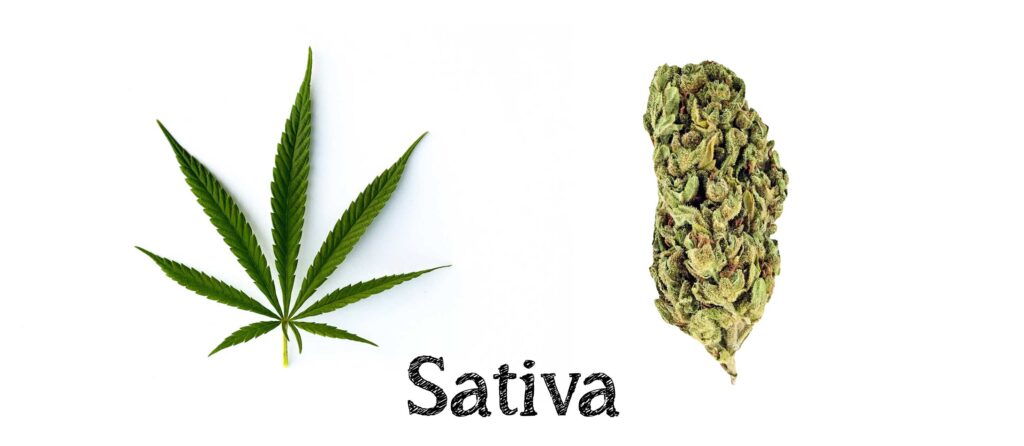
For remote professionals in Phuket dealing with work-related health issues, sativa-dominant strains may offer specific benefits:
Research from medical journals indicates that certain cannabis compounds may help with attention-related challenges. Sativa strains containing pinene (a natural compound also found in pine needles and rosemary) have been associated with improved alertness and mental clarity.
How This Helps: Professionals with diagnosed attention difficulties who obtain medical cannabis prescriptions may find sativa strains help with switching between tasks, staying focused on complex projects, and reducing brain fog during demanding work sessions.
What Makes It Work: Pinene promotes alertness; limonene elevates mood and may enhance mental function.
Medical studies suggest that sativa strains may help manage depression symptoms. Research cited by CannaMD found that anxiety disorders—which affect 18% of adults—are associated with nearly 5 lost work days per month and significantly reduced productivity.
How This Helps: For professionals experiencing work-related depression, fatigue, or burnout, medical sativa strains prescribed by qualified practitioners may help restore motivation and positive mood necessary for professional engagement.
While research on cannabis and creativity is still developing, early studies and user reports suggest that sativa’s mental effects may support creative thinking and new problem-solving approaches. This may benefit professionals in creative fields like content creation, design, marketing, and strategic planning.
How This Helps: Medical cannabis patients working in creative industries report that sativa strains help them “think outside the box,” generate fresh ideas, and approach challenges from new perspectives.
According to medical cannabis research, sativa’s stimulating properties make it appropriate for daytime use when you need to stay productive. Unlike sedating medications that make you drowsy, properly dosed sativa strains may provide symptom relief while maintaining alertness.
How This Helps: Professionals managing chronic pain or anxiety who need to remain functional during work hours may find sativa-dominant products allow them to work comfortably without excessive drowsiness.
Medical cannabis isn’t without risks, and doctors must carefully evaluate individual circumstances:
The CDC notes that high-THC cannabis products can cause anxiety, confusion, and disorientation in some people. Research published in Neuropsychopharmacology found that THC produces more significant negative effects compared to CBD.
Work Impact: Professionals prone to anxiety may experience increased nervousness, racing thoughts, or paranoia with sativa strains, particularly at higher doses. This can severely damage work performance, communication, and decision-making.
What to Consider: Patients should work with Thai healthcare providers to find balanced THC:CBD ratios that minimize anxiety while providing therapeutic benefits.
While some professionals benefit from sativa’s mental effects, others may experience scattered thinking, difficulty finishing tasks, or mental exhaustion from overstimulation.
Work Impact: Tasks requiring step-by-step thinking, detailed data analysis, or methodical processes may become harder under sativa’s influence. The “racing thoughts” effect can reduce rather than enhance productivity for certain work types.
Research consistently shows that THC can temporarily affect short-term memory and working memory. This effect varies based on dose, individual tolerance, and product composition.
Work Impact: Professionals may struggle to remember instructions, details from meetings, or recently learned information—critical functions for most knowledge work.
THC stimulates the heart, potentially causing increased heart rate and blood pressure. Medical literature indicates this effect can be uncomfortable for some users and may not be suitable for individuals with certain heart conditions.
Work Impact: Physical discomfort from increased heart rate can create distraction and anxiety, particularly in stressful work situations.
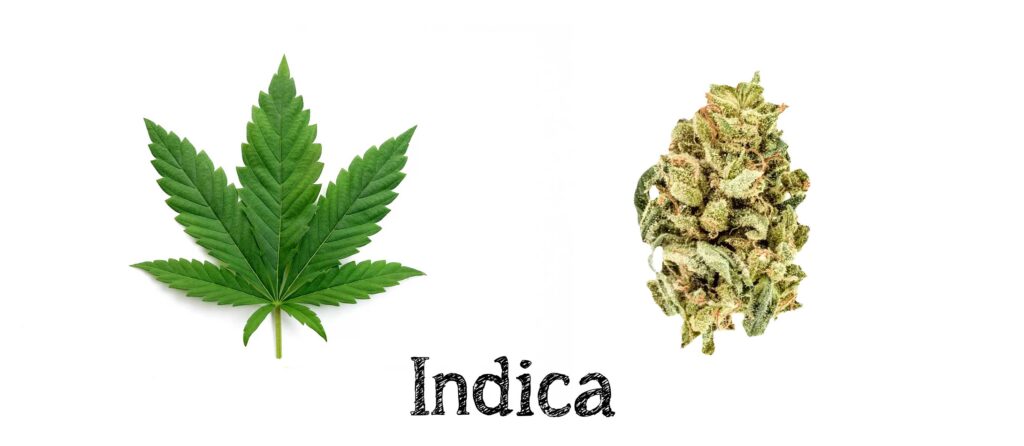
While indica strains are traditionally associated with evening use, certain work-related medical conditions may benefit from indica’s specific properties:
Medical research indicates that indica’s calming effects may help manage work-related anxiety disorders. The myrcene compound found in many indica strains has shown muscle-relaxing and anxiety-reducing properties in studies.
How This Helps: Professionals experiencing significant work stress, generalized anxiety, or panic symptoms may find that properly dosed indica products reduce stress responses, allowing them to approach work with greater calm and focus.
The Numbers: Research from the Center for Workplace Mental Health shows anxiety disorders cost U.S. businesses over $4.1 billion annually in indirect workplace costs. Medical cannabis may offer relief for some patients.
Studies cited by the European Journal of Pain suggest that cannabis compounds interact with pain receptors in ways that may reduce chronic pain. Indica strains’ higher CBD content and specific natural compounds make them particularly effective for pain management.
How This Helps: Remote workers in Phuket dealing with chronic back pain from desk work, repetitive strain injuries, headaches, or muscle issues may find indica strains allow them to work comfortably. The American Medical Association reports that 13% of workers experience productivity loss due to pain conditions.
While indica’s drowsy effects make it inappropriate for active work hours, its use for evening symptom management may significantly improve next-day productivity. Medical cannabis research suggests indica strains effectively treat insomnia and improve sleep quality.
How This Helps: Professionals struggling with insomnia, nighttime anxiety, or pain that disrupts sleep may use indica strains in the evening to achieve restorative rest, resulting in improved focus, energy, and mental function during work hours.
Research indicates that CBD and certain compounds in indica strains have anti-inflammatory properties. For professionals with inflammatory conditions affecting their ability to work (arthritis, chronic inflammation, inflammatory pain), indica products may provide relief.
How This Helps: Medical cannabis patients with diagnosed inflammatory conditions may experience reduced pain and improved mobility, allowing them to sit comfortably at workstations and engage in physical aspects of work without discomfort.
Healthcare providers must carefully consider Indica’s limitations for daytime professional use:
The biggest disadvantage of Indica for work is its sedating effect. The “couch-lock” phenomenon—characterized by extreme physical relaxation and reduced motivation to move—can severely damage productivity.
Work Impact: Professionals may experience difficulty staying alert, maintaining energy through work sessions, or engaging actively in virtual meetings. Tasks requiring physical activity or dynamic engagement become particularly challenging.
What to Consider: Patients requiring daytime symptom management should work with healthcare providers to find balanced products or alternative strains that minimize sedation.
Medical literature suggests that cannabis use, particularly indica’s heavy body effects, may temporarily reduce motivation and goal-directed behavior.
Work Impact: Professionals may struggle with starting tasks, procrastination, or lack of drive to tackle challenging projects. The relaxed state that benefits anxiety management may counterproductively reduce work motivation.
While indica generally produces less mental racing than sativa, it can cause mental slowness, reduced processing speed, and delayed reaction times.
Work Impact: Tasks requiring quick thinking, rapid decision-making, or timely responses (like customer service, trading, or real-time collaboration) may suffer. The physical relaxation extends to mental processes.
Indica’s effects can last several hours, making it difficult to use during work without experiencing afternoon impairment. The sedative properties may persist longer than intended, affecting productivity into evening hours.
Work Impact: Poor timing of indica use can result in “wasted” work hours where you feel too relaxed or drowsy to be effective, despite initial therapeutic intentions.

Based on research from Harvard Health, the CDC, and peer-reviewed medical journals, professionals considering medical cannabis should understand these critical factors:
Cannabis affects people differently based on genetics, metabolism, tolerance, underlying health conditions, and other medications. Research in Neuropsychopharmacology notes that “individual responses to cannabis vary greatly due to factors like genetics, tolerance, medications, and overall health.”
What This Means: What works for one remote worker may impair another. Medical supervision and personal experimentation (under healthcare guidance) are essential.
Research published in Nature found that CBD consumption alone “was associated with a small increase in subjective ratings of sedation, but no difference from placebo across multiple domains of objectively assessed cognitive or psychomotor performance.” The study concluded that “acute CBD alone is unlikely to significantly impair daily functioning or workplace performance.”
What This Means: CBD-dominant products may provide therapeutic benefits (pain relief, anxiety reduction) without significant mental impairment, making them potentially more suitable for work hours than high-THC products.
Medical research consistently shows that low to moderate doses produce different effects than high doses. The therapeutic window for work-related use is typically narrow and highly individual.
What This Means: Patients should start with the lowest effective dose and adjust gradually under medical supervision. Micro-dosing approaches may provide symptom relief while minimizing mental effects.
Different consumption methods produce varied onset times, duration, and intensity. Medical cannabis can be inhaled, ingested orally, absorbed under the tongue, or applied topically.
What This Means: For work-related use, patients should understand how quickly effects occur and how long they last, planning consumption around work schedules accordingly.
Phuket’s unique environment creates specific considerations for medical cannabis use among working professionals:
Many remote workers in Phuket have flexibility to structure their days around peak productivity times. This flexibility allows medical cannabis patients to schedule consumption strategically.
How to Use This: Professionals might use sativa products during high-focus morning work sessions, reserve indica for end-of-day pain management, or adjust schedules based on symptom patterns and medication timing.
Phuket’s coworking spaces, including Denz Coworking Café on Patong Hill, provide professional environments separate from accommodation. This separation allows for better work-life boundaries regarding medical cannabis use.
How to Use This: Professionals can maintain medication-free work hours at coworking spaces while using prescribed cannabis for symptom management before/after work at private residences.
Phuket’s tropical climate can worsen certain conditions (heat-related headaches, inflammation, sleep disruption from humidity) that medical cannabis might address.
How to Use This: Medical cannabis patients may find that prescribed products help them adapt to climate challenges that would otherwise reduce work capacity.

Located in the heart of Patong, Denzpensary operates as a fully licensed cannabis dispensary serving medical patients with valid Thai prescriptions. As Thailand’s cannabis regulations have tightened to medical-only access, Denzpensary has maintained full compliance with Ministry of Public Health requirements, including proper supply chain documentation and certification.
Legal Compliance: Denzpensary operates with all required licenses and certifications, ensuring every product meets Thai regulatory standards. In an industry where over 7,000 shops have closed due to regulatory changes, Denzpensary remains a trusted source for legal medical cannabis access.
Quality Assurance: All cannabis products available at Denzpensary are sourced from certified growers with proper GACP (Good Agricultural and Collection Practices) certification from the Department of Thai Traditional and Alternative Medicine. This ensures product quality, consistency, and safety.
Medical Professional Guidance: Denzpensary can connect patients with licensed Thai medical practitioners who can provide proper evaluation, diagnosis, and prescription services. This ensures you’re accessing cannabis legally and appropriately for your specific medical conditions.
Product Education: The staff at Denzpensary understands the differences between indica and sativa strains, various cannabinoid profiles (THC vs. CBD ratios), and which products may be most appropriate for different work-related medical conditions. They can help patients understand their prescriptions and select products that align with their therapeutic goals.
Remote Worker-Friendly: Understanding Phuket’s large remote work community, Denzpensary provides guidance specifically tailored to professionals managing work-related health challenges. Whether you’re dealing with chronic pain from desk work, anxiety about deadlines, or sleep issues affecting your productivity, the team can help you understand your treatment options.
Denzpensary offers a range of medical cannabis products for patients with proper Thai prescriptions:
Denzpensary is conveniently located in Patong, making it easily accessible for remote workers based in Phuket’s western beaches and surrounding areas. The central location allows professionals to visit before or after work hours at nearby coworking spaces or beachside work spots.
Important Reminder: You must have a valid Thai medical prescription to purchase cannabis products at Denzpensary. If you don’t yet have a prescription, the team can refer you to licensed medical practitioners who can provide proper evaluation and prescribe appropriate treatment.
Denzpensary recognizes that Phuket’s remote workers face unique challenges—managing chronic conditions while maintaining productivity, dealing with time zone stress, navigating a new climate, and balancing work with the island lifestyle. By providing legal access to quality medical cannabis products and education about responsible use, Denzpensary serves as a resource for professionals seeking legitimate therapeutic solutions within Thailand’s medical cannabis framework.
Whether you’re exploring medical cannabis for the first time or continuing treatment started elsewhere, Denzpensary offers the legal access, product quality, and professional guidance needed to make informed decisions about your health and work performance.

Based on medical guidance and Thailand’s legal framework, professionals considering medical cannabis should:
For remote professionals working in Phuket, Thailand’s medical cannabis framework provides legal access to treatments that may address work-related health challenges. The indica vs. sativa distinction offers a helpful starting point for understanding potential effects:
Sativa-dominant strains may benefit professionals dealing with depression, fatigue, attention difficulties, or chronic pain requiring daytime management—offering potential improvements in focus, mood, and energy when properly prescribed and dosed.
Indica-dominant strains may better serve professionals managing work-related anxiety, inflammation, chronic pain, or sleep disturbances—providing relaxation, stress relief, and improved rest that indirectly enhances productivity.
However, both strain types carry potential disadvantages that can impair work performance if not carefully managed under medical supervision. Individual response variability, precise dosing, appropriate timing, and balanced cannabinoid profiles are critical factors in determining whether medical cannabis will help or hinder professional productivity.
The most important step for any remote professional considering medical cannabis in Phuket is obtaining a proper evaluation and prescription from licensed Thai healthcare providers. Licensed dispensaries like Denzpensary in Patong provide legal access for patients with proper documentation, ensuring product quality and compliance with Thailand’s medical cannabis regulations.
As research continues to evolve, medical professionals and patients alike must approach cannabis therapeutically—as medicine requiring careful consideration, appropriate dosing, and ongoing medical supervision—rather than as a productivity hack or performance enhancer.